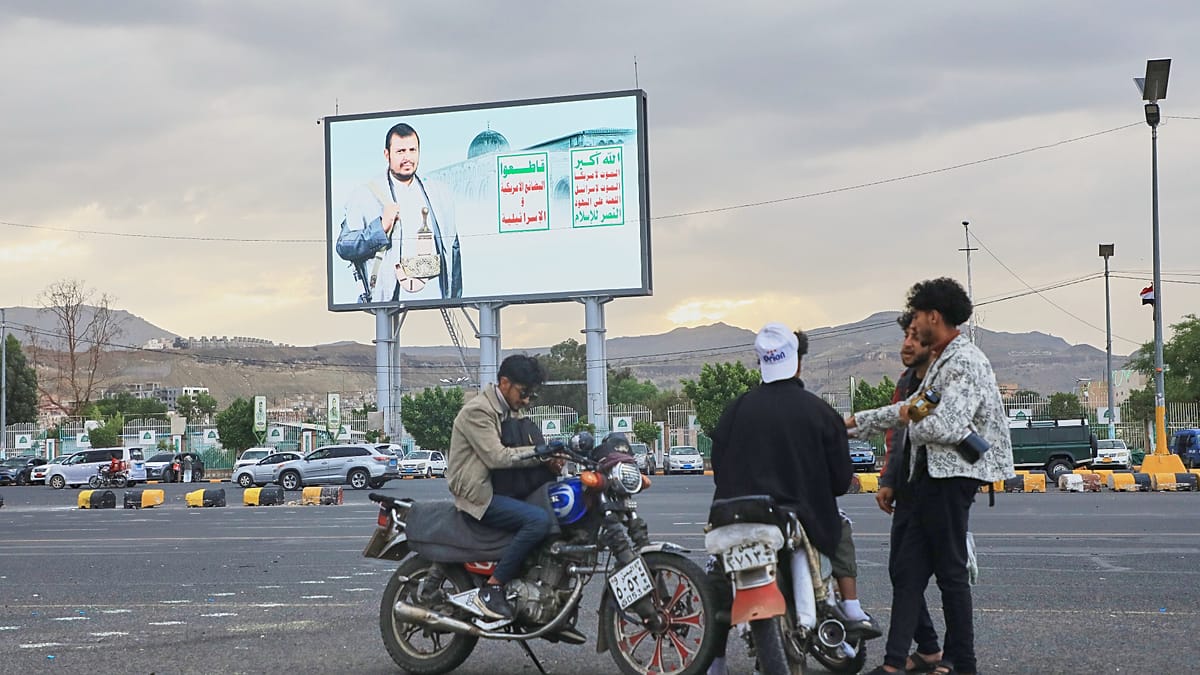
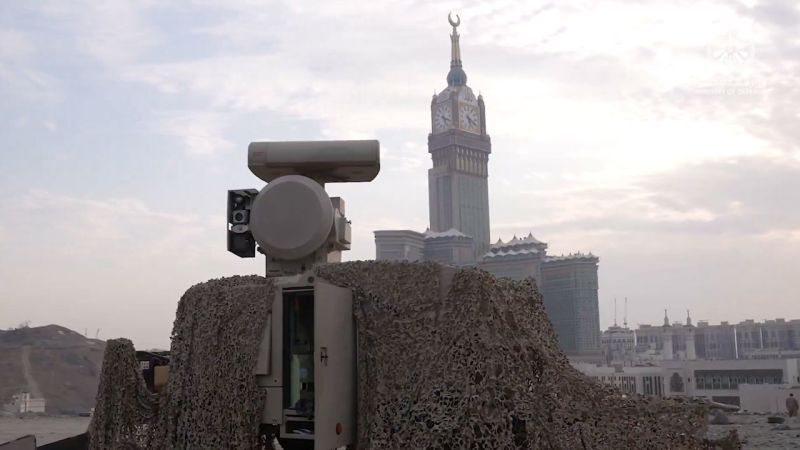
- عاجل. - التصعيد يتسع في المنطقة.. قصف إسرائيلي على غزة وجنوب لبنان والسعودية تتهم الحوثيين باستهداف مكة
- باكستان: نقف بثبات وتضامن مع السعودية
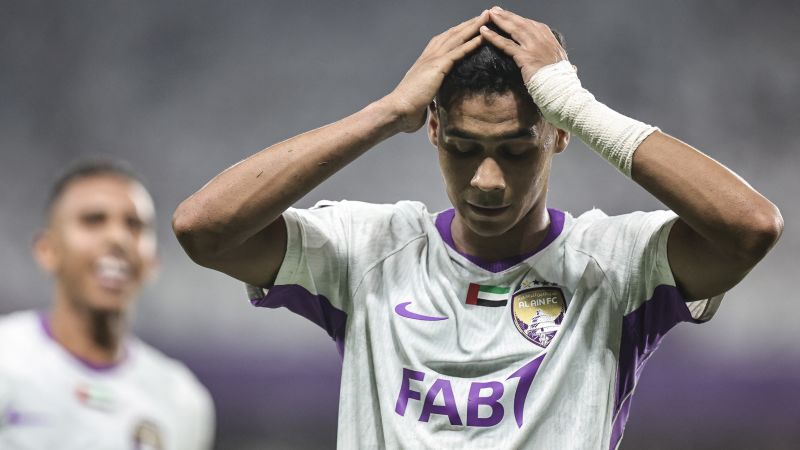
- تصرف مؤثر من لاعب العين بعد تسجيل هدف في مرمى النصر يثير تفاعلًا
- نائب سوري يفجر جدلاً واسعاً.. "الطلاب بحاجة لصورة رجل"
- إيران.. 200 يوم من الحرب وجولة محادثات بين سفيري لبنان وإسرائيل
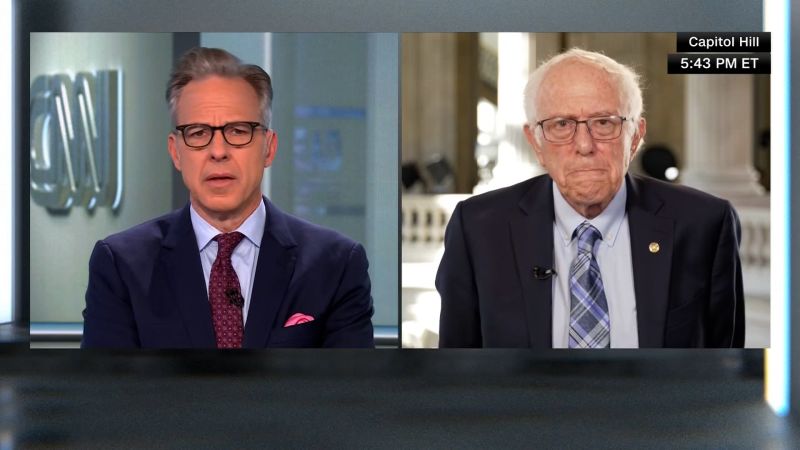
- ساندرز ينتقد ترامب "النرجسي" لتقليله من شأن المخاوف المتعلقة بالـAI
- ارتفاع عدد قتلى انهيار بناية متصدعة في غزة إلى 10
- وفاة 11 وفقدان العشرات إثر انهيار عمارة سكنية تؤوي نازحين غربي مدينة غزة
- السعودية تعترض مسيّرة أطلقها الحوثيون قرب مكة، والولايات المتحدة توصي مواطنيها بـ"إعادة النظر في السفر" إلى المملكة
- إسقاط مسيّرة قبل دخولها مكة.. والتحالف: أمن الحرمين "خط أحمر"
- الحرب على إيران تكلف الولايات المتحدة 38 مليار دولار خلال 6 أشهر
- هل يقود تاكر كارلسون انقلابا سياسيا ضد ترمب؟
- زيلينسكي يتهم روسيا بمحاولة استهداف طائرته مرتين
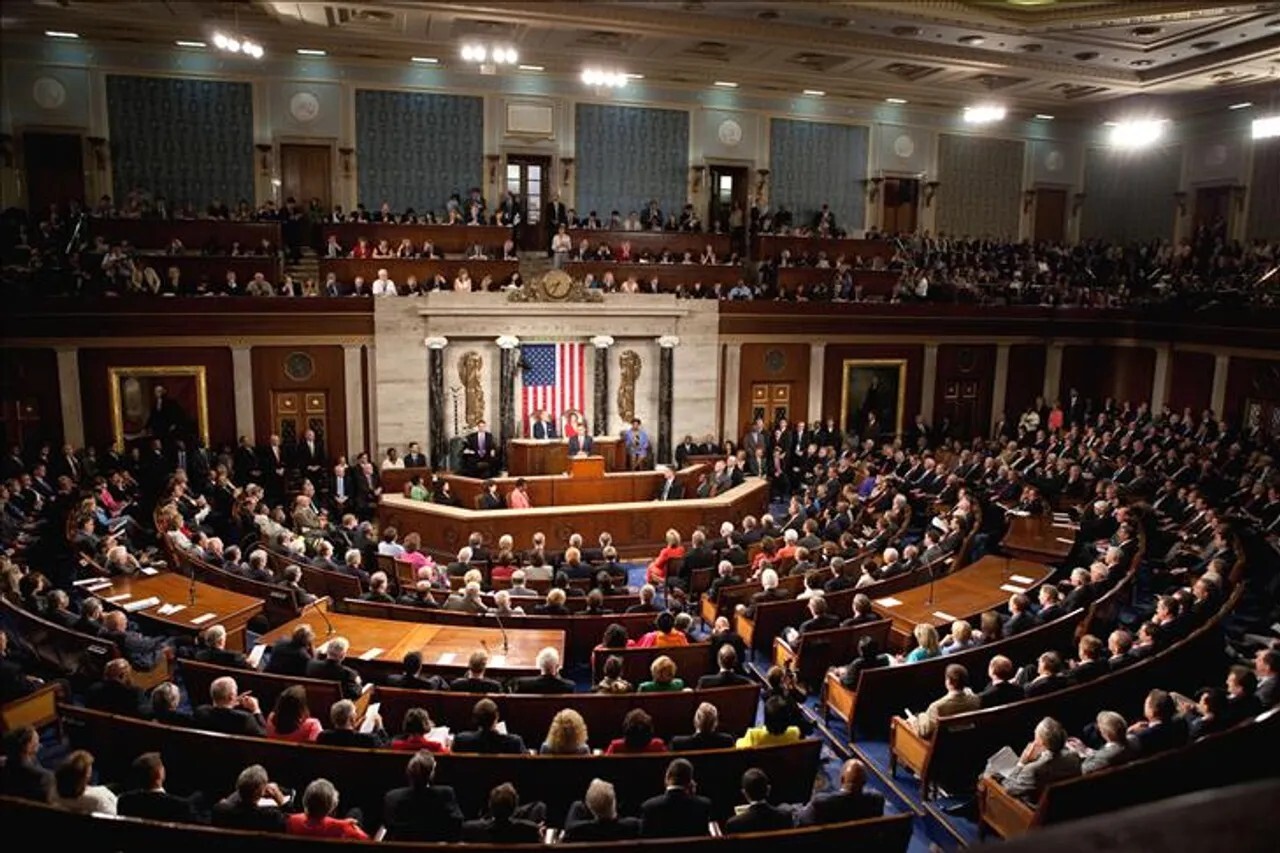
- للمرة الثالثة..النواب الأمريكي يصوّت لإنهاء الحرب على إيران
- كييف.. هجوم روسي بمسيرات يشعل حريقا في مستودع
- الحوثيون: إسقاط طائرة حربية سعودية من طراز "إف-15" في أجواء محافظة مأرب
- بصمات جينية قد تكشف سرطان البروستاتا الأخطر
- مجلس النواب الأميركي يصوت لمرة ثالثة لإنهاء الحرب مع إيران
زوكربيرغ يدعو إلى رقابة مستقلة على الذكاء الاصطناعي وسط مطالب بإبطائه
Last month I wrote about how we can build a positive and safe future for everyone: https://t.co/eoLGVY8yad Every lab has the responsibility and incentive to move at the pace required to train its models safely, and the ability to take its own actions to ensure that happens. The reality is: - People won't want to use agents that are misaligned with them and that don't do what they ask, so labs have a strong natural incentive to make their models more aligned. There is a lot of debate about slowing progress on capabilities until alignment catches up. My view is that trust and alignment are quickly becoming the most important capabilities that will differentiate agents and models. Any lab that doesn't focus on alignment will fall behind. - Labs face significant liability if their models cause harm, so they have a strong incentive to prevent this as well. Meta delayed shipping Muse for several months to focus on safety and security. We didn't call for everyone else to do this before we would. We just did it as part of our day-to-day work because it was clearly the right thing for people and for us. I'm proud of the security foundations we've built. - Engaging independent evaluators and advisors is industry best practice. MSL already does this today in several areas because it helps produce better work. Other labs can just do this too. In general, it would be helpful for there to be a larger and more diverse ecosystem of evaluators. - Committing the significant majority of compute towards serving people rather than racing towards recursive self-improvement is one of the best ways to ensure we develop this technology safely. Meta has made this commitment and other labs can do this as well. I believe the key to building a positive future for everyone is maintaining the right balance of power. This is within our power to do.
— Mark Zuckerberg (@finkd) September 15, 2026
دعا مارك زوكربيرغ، الرئيس التنفيذي لشركة ميتا، لاعتماد عمليات تدقيق مستقلة كأفضل ممارسة في تطوير أنظمة الذكاء الاصطناعي، في وقت تتزايد فيه الدعوات إلى إبطاء وتيرة تطوير هذا القطاع.
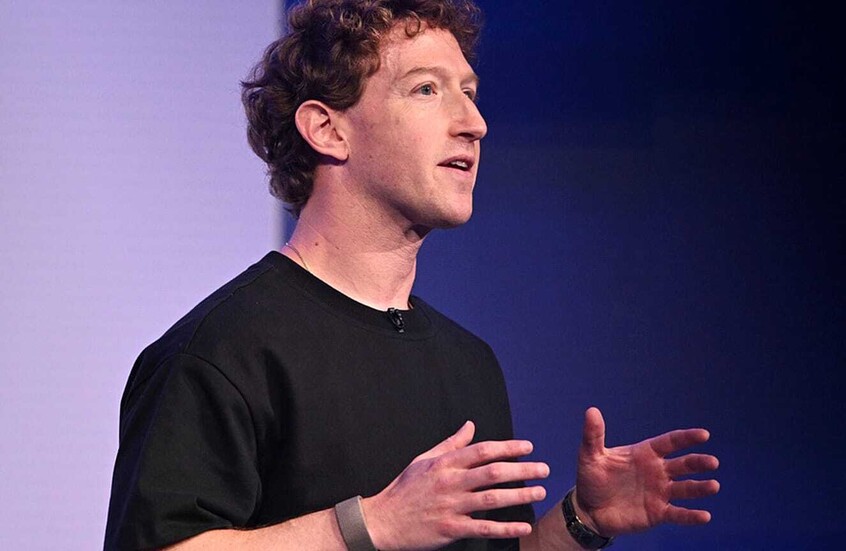
وسبق لداريو أمودي، رئيس شركة أنثروبيك، أن دعا في 12 سبتمبر الجاري إلى التمهل في تطوير نماذج الذكاء الاصطناعي الأكثر قوة، وهو ما لقيت فكرته تأييدا من الملياردير الأمريكي إيلون ماسك، مالك شركة "xAI"، وسام ألتمان، رئيس شركة "OpenAI".
وفي هذا السياق، ذكر موقع "Information" نقلا عن مصادر أن أنثروبيك و"OpenAI" و"غوغل" تبحثان إنشاء منظمة مشتركة لوضع معايير موحدة للقطاع.
وفي هذا الإطار، كتب زوكربيرغ على منصة "إكس": "إشراك خبراء مستقلين في التقييم ومستشارين هو أفضل ممارسة في القطاع.. وسيكون من المفيد عموما بناء منظومة أوسع وأكثر تنوعا من خبراء التقييم"، مشيرا إلى أن شركته تطبق هذه الممارسة بالفعل.
ويرى الرئيس التنفيذي لميتا أن مسؤولية التطوير الآمن للذكاء الاصطناعي تقع في المقام الأول على عاتق الشركات المطورة نفسها، لأنها الجهة التي تتحمل تبعات أي خلل في نماذجها. وأضاف أن تجاوز الخلافات الحالية حول تقييد الذكاء الاصطناعي يتطلب الحفاظ على توازن سليم بين القوى المختلفة.
وكان الرئيس الأمريكي دونالد ترامب قد قلل من مخاوف انتشار الذكاء الاصطناعي ، واصفا السيناريوهات التي تتحدث عن "سيطرة الذكاء الاصطناعي على العالم وتدميره، وسير الروبوتات في مدننا للتخلص منا جميعا" بأنها مبالغات، مكتفيا بالسماح بقيود محدودة في هذا المجال.
وقد رأى ترامب ومسؤولون آخرون في إدارته أن تضخيم الأخبار المتعلقة بمخاطر الذكاء الاصطناعي يهدف إلى التأثير على الانتخابات النصفية للكونغرس.
المصدر : RT+ وكالات
 المصدر:
روسيا اليوم
المصدر:
روسيا اليوم